An ‘open moment’? Seeking a confident Quaker voice for peace
Hannah Brock Womack shares some initial answers to the question: 'What should we be saying and doing now for peace with a confident Quaker voice?'
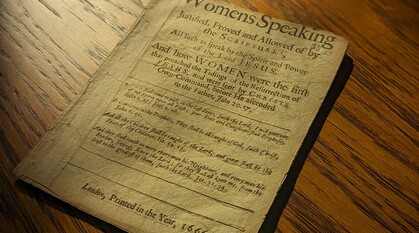
In 17th century England, the world was turning upside down. Quakerism and our peace testimony arose from that time, along with many other radical and grassroots movements working for the common good. These traditions ripple through the generations and inspire us now.
Are we in a similarly open moment today, where from a place of tremendous uncertainty, possibilities stretch out and we can be led by the Spirit, like these early Friends were?
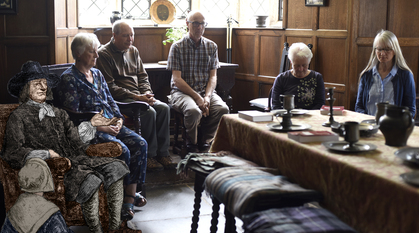
A new direction for the peace campaigning work of Quakers in Britain is being discerned. We're asking the question, 'What should we be saying and doing now for peace with a confident Quaker voice?' As part of this, we have been undertaking peace consultation sessions with Friends. We have been delighted that over 130 Quakers have signed up to take part in these – from Moray to Manchester, Totnes to Tottenham.
What has come out of these sessions so far has been perplexing, challenging and hopeful.
Quaker Peace & Social Witness' Peace Reference Group will be using the feedback from the consultations as they discern where the Spirit is leading our peace campaigning work now. Some of the main themes in the sessions were:
We need to name the problem
Fear. Capitalism. The military industrial complex. Extractivism. Corporate power.
These are big concepts that can feel overwhelming, but it's important – especially in the face of disinformation – to name the deep roots of injustice and the forces that uphold militarism.
What are we for?
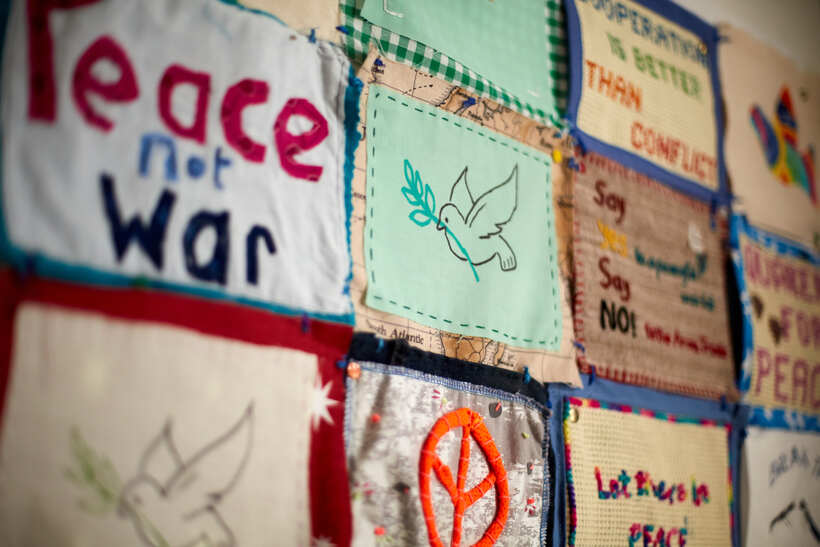
As well as naming the problems, it's important to name why we are for peace, liberation, justice, and truth. We are not simply 'against war'; we have a vision of a peaceful world – a transformed society. This vision is borne out of faith, hope and love which we can experience in worship. We can tell better stories that demonstrate the possibilities of how we can live together on our one home – this planet. Working creatively through 'craftivism' is one way we can tell these stories.
Spiritually grounded
We know that the Spirit can lead us to extraordinary and surprising places. To do this, we need to be willing to be led, with worship at the centre of our work.
One Friend spoke of how her group was led to invite children to their Meeting House to learn about peace. These visits gave powerful counter messages to the ones given by army visits to their schools. The group's deep spiritual practice empowered this initiative. Working with young people came up in the sessions a lot; the importance of peace education and peer meditation.
Particular, not unique
Quakers are distinctive in how we do things, but not alone in what we stand for. There are many likeminded folks – people of all faiths and none – who are striving for peace and justice. We can bring a unique contribution to collaborative work.
The how not the what
I expected to hear lots of issues named: we should work on military spending, nuclear weapons, what AI means for warfare! Instead, Friends have been talking powerfully about the principles of how we go about our peace campaigning work: not particular new initiatives, but distinctive ways of working – how to be a confident Quaker voice.
Working with others, and supporting them
We need to show solidarity with those at the sharp end of violence and injustice. We can't work alone, and we can support individuals and movements who in the face of violent conflict work to resist hatred and build peace. We can do this both practically and politically.
When face-to-face, offering celebratory welcome, and hospitality, can be part of our solidarity.
Everything is connected
Demilitarisation, climate action and work with refugees are all important ways that Quakers act in the world. It's easy to work in siloes, but we need to recognise that as the roots of injustice interweave, so must our resistance.
One Friend remarked that while we each see the importance of the causes that we care about most, we also know that everything is connected, and that our personal passions might not be the ones taken up by everyone. In any case, we are all different and have different gifts to bring. We need everybody.
An open moment?
This moment can feel overwhelming. But perhaps we are living through a time where, as old frameworks, institutions and assumptions crumble, the Spirit can more easily break through. Many of us (far beyond Quakers) are seeking this path, and believe we can find a way in which love will win through.
What can you add?
Not everyone can join meetings online or you might've just missed these sessions.
We'd still like to hear from you if you have ideas on what a confident Quaker voice for peace means now.
If you’d like to participate, please submit ideas through this form by 9 March